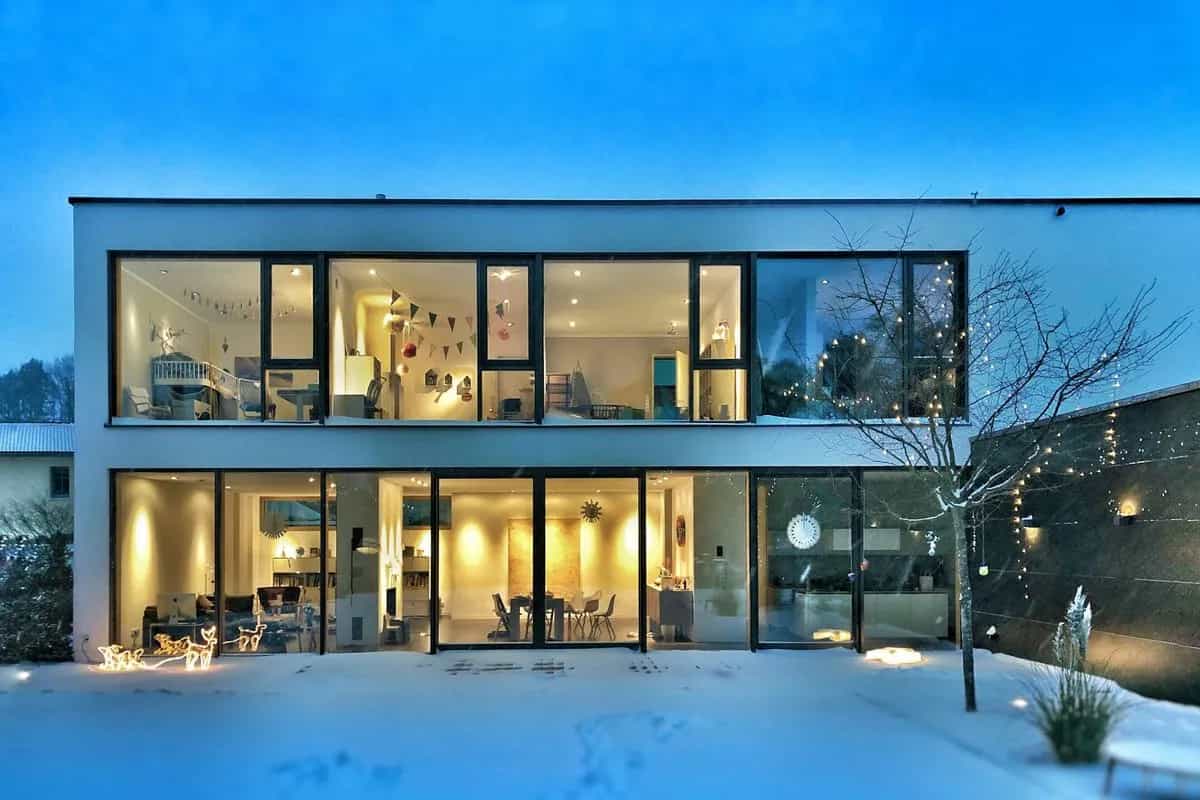
Commercial real estate property

Commercial Real Estate Loans in Milwaukee | 2026 Guide

Compare Milwaukee commercial loan rates, programs, and market data for 2026. Explore cap rates, vacancy trends, and lending options across Milwaukee submarkets.

Updated March 14, 202612 min read
Recently FundedCash-Out Refinance

$5.3M Industrial Warehouse

Birmingham, AL

What commercial loan options are available in Milwaukee?

Milwaukee offers a full range of commercial real estate financing including conventional bank loans, SBA 504/7(a), CMBS, bridge, construction, and agency multifamily programs. Rates and terms vary by property type, sponsor experience, and deal size.

Key Takeaways

  • Milwaukee offers diverse commercial real estate financing options across multifamily, retail, office, industrial, and mixed-use property types
  • Local and regional lenders in Milwaukee often provide more competitive terms for borrowers with established market presence
  • SBA 504 and 7(a) loans are available for owner-occupied commercial properties in Milwaukee, offering below-market rates and extended terms
  • The Milwaukee commercial real estate market benefits from strong economic fundamentals that support favorable lending conditions

$184B

CRE loans maturing in 2026 across all property types

Source: Trepp

5.4%

Overall U.S. commercial property vacancy rate

Source: CoStar Group

Why Is Milwaukee Emerging as a Top Midwest Commercial Real Estate Market?

Milwaukee has earned a reputation as one of the Midwest's most compelling commercial real estate markets, powered by a diversified economy, affordable entry points compared to coastal cities, and a wave of transformative development projects reshaping the city's skyline. For investors and developers seeking commercial loans in Milwaukee, the metro area delivers strong fundamentals across industrial, multifamily, retail, and mixed-use property types, with growing momentum in construction and redevelopment.

The numbers paint a clear picture of Milwaukee's strength. The city's population stands at approximately 577,000, with the broader metro area home to roughly 1.57 million residents. The Milwaukee region generates a gross economic product of around $135 billion annually, supported by close to 50,000 businesses. Five Fortune 500 companies call Milwaukee home, including Northwestern Mutual (approximately 6,000 local employees), Rockwell Automation (around 4,000 employees), Fiserv, ManpowerGroup, and WEC Energy Group.

Milwaukee's economic identity extends well beyond its manufacturing roots. The city has become a nationally recognized water technology hub, with more than 150 water-related companies operating in the region, including A.O. Smith, Badger Meter, Veolia, and Pentair. The Global Water Center and Reed Street Yards in the Menomonee Valley anchor a growing cluster that positions Milwaukee as a global leader in freshwater innovation. Key industries also include energy and power controls, food and beverage, medical technology, and financial services.

The commercial real estate lending environment reflects Milwaukee's stability. Commercial mortgage rates in Milwaukee start as low as approximately 5.17%, while apartment loan rates begin at around 5.14%. Investment sales activity is projected to rise by up to 10% in 2025 as more capital flows into industrial and multifamily properties. An estimated $936 billion in commercial mortgages will mature nationwide in 2026, creating significant refinancing activity that Milwaukee borrowers can leverage.

For borrowers exploring financing options, Clear House Lending connects Milwaukee investors and developers with a network of over 6,000 commercial lenders to find the most competitive rates and terms for their specific project.

What Loan Programs Are Available for Milwaukee Commercial Properties?

Milwaukee's commercial lending market offers a comprehensive range of financing programs tailored to different property types, investment strategies, and borrower profiles. Understanding which program fits your project is essential to securing the best terms.

Conventional Commercial Mortgages form the backbone of Milwaukee's CRE lending market. Banks and credit unions offer permanent financing with rates between 5.5% and 7.5%, 20 to 25 year amortization, and loan-to-value (LTV) ratios up to 75%. These loans require solid borrower credit, property cash flow with a debt service coverage ratio (DSCR) of 1.25x or higher, and a stabilized operating history. Local institutions including Associated Bank and BMO Harris actively lend on Milwaukee commercial properties.

Bridge Loans provide short-term capital for acquisitions, value-add repositioning, and time-sensitive transactions. Milwaukee bridge lenders offer 12 to 36 month terms with rates between 8.0% and 12.0%, LTV up to 80%, and closing timelines as fast as 5 to 15 days. A recent example of Milwaukee's active bridge lending market includes EBSC Lending's $19.5 million first mortgage bridge loan for a 57-unit multifamily project.

SBA Loans serve owner-occupants acquiring or expanding commercial properties. The SBA 7(a) and 504 programs offer down payments as low as 10%, fixed rates between 5.5% and 8.0%, and terms up to 25 years. Milwaukee's diverse small business ecosystem, spanning manufacturing, food and beverage, and technology, drives strong SBA lending volume.

DSCR Loans qualify borrowers based on property cash flow rather than personal income, making them ideal for scaling rental portfolios. Milwaukee DSCR lenders offer LTV up to 80%, rates between 6.6% and 9.5%, and no income verification requirements. Wisconsin lenders typically require a minimum DSCR of 1.25, with some Milwaukee lenders requiring 1.30 due to the city's dynamic rental market.

CMBS (Conduit) Loans provide non-recourse permanent financing for stabilized properties valued at $2 million or more. Rates range from 5.8% to 7.5% with 10 year terms and 30 year amortization. CMBS lending is active in Milwaukee's core submarkets for multifamily, industrial, and retail properties.

Construction and Development Loans finance ground-up projects and major renovations. Bank construction loans offer rates between 7.0% and 9.0% with 18 to 36 month terms and up to 70% loan-to-cost. Milwaukee's robust development pipeline, from the Deer District expansion to Walker's Point housing, creates steady demand for construction financing.

Use the commercial mortgage calculator to estimate monthly payments across different loan programs for your Milwaukee property.

What Are Current Cap Rates and Returns Across Milwaukee Property Types?

Cap rates serve as a critical barometer for property values and investor expectations in Milwaukee. Understanding how cap rates vary by property type and quality helps investors underwrite acquisitions and evaluate financing structures.

Need Financing for This Project?

Stop searching bank by bank. Get matched with 6,000+ vetted lenders competing for your deal.

No credit check. Takes 2 minutes.

Multifamily properties in Milwaukee offer attractive risk-adjusted returns. The market achieved approximately 96% occupancy in 2025, ranking sixth nationally among major markets. Average rents reached roughly $1,541 per month as of early 2025, representing a 29% increase from approximately $1,192 in early 2020. New supply is declining significantly, falling to its lowest level since 2015 with a roughly 40% drop compared to 2024. Cap rates for Class A multifamily range from 5.0% to 6.0%, while value-add Class B and C properties trade between 6.5% and 8.0%.

Industrial properties command the tightest cap rates in Milwaukee, reflecting the sector's exceptional performance. The overall industrial vacancy rate in Southeast Wisconsin sits at around 5.7%, well below the historic natural vacancy rate of 7% to 8%. Certain submarkets are remarkably tight, with Waukesha County at roughly 1.3% vacancy, Sheboygan County at 0.5%, and Walworth County at 0.6%. Asking rents have risen to a weighted average of approximately $5.55 per square foot NNN. Cap rates for Class A industrial range from 5.0% to 6.0%, with Class B assets trading at 6.0% to 7.0%.

Office properties reflect the national bifurcation trend. Milwaukee's overall office vacancy stands at roughly 21.2%, with the downtown area performing somewhat better at approximately 18.8%. Among the top eight Class A downtown buildings, vacancy drops to around 13.6%. No new office construction is in the pipeline, which should help stabilize the market. Cap rates for trophy downtown office range from 6.5% to 8.0%, while suburban Class B and C properties trade at 8.5% to 10.5%.

Retail market fundamentals have improved over the course of 2025, driven by limited new supply, robust backfilling activity, and stabilizing consumer spending. The overall retail vacancy rate is approximately 7.4%. Cap rates for grocery-anchored and essential-service retail range from 6.0% to 7.5%, while secondary strip centers trade at 7.5% to 9.0%.

Borrowers evaluating acquisitions should use the DSCR calculator to model cash flow coverage ratios and determine how much leverage their Milwaukee property can support.

Which Milwaukee Submarkets Offer the Strongest Investment Opportunities?

Milwaukee's submarket landscape is varied, with each neighborhood offering distinct risk and return profiles. Location selection significantly impacts financing terms, as lenders evaluate submarket fundamentals when underwriting loans.

The Deer District has transformed from a sports venue area into Milwaukee's most dynamic mixed-use corridor since Fiserv Forum opened in 2018. The approximately $100 million Block 5 development by J. Jeffers & Co. will add 269 market-rate apartments, 13,000 square feet of commercial space, a public plaza, and a 290-space parking structure. A planned Moxy Hotel (162 rooms) will further strengthen the district. Lenders view Deer District properties favorably due to the concentrated investment and foot traffic.

The Historic Third Ward functions as Milwaukee's premier walkable mixed-use neighborhood, with a walk score of 89. The area attracts over 8 million visitors annually and contains roughly 283,765 square feet of commercial space across 26 commercial properties. Its concentration of galleries, restaurants, boutiques, and creative offices drives premium rents and strong investor interest. Cap rates here tend to be among the lowest in the metro.

Walker's Point is experiencing a renaissance fueled by new residential and mixed-use development. Two apartment projects by New Land Enterprises, Via (82 units) and Forma, are advancing with TIF support. The neighborhood's proximity to downtown, creative dining scene, and authentic character attract younger demographics and growing rents.

Menomonee Valley represents Milwaukee's most significant economic transformation story. Once an industrial wasteland, the valley now houses the Global Water Center and Reed Street Yards, anchoring Milwaukee's water technology cluster. The 17-acre Reed Street Yards development is expected to ultimately contain more than 1 million square feet of space. Industrial and flex properties in the valley benefit from the area's ongoing reinvention.

Bay View offers Milwaukee's most active neighborhood-scale investment market. A developer is envisioning a project with up to 500 apartment units at the northern edge of Bay View, and the neighborhood's walkable commercial corridors, restaurants, and proximity to Lake Michigan make it attractive for multifamily and retail investors.

I-94 Corridor serves as Milwaukee's primary industrial and logistics artery. The $1.74 billion Interstate 94 East-West expansion project, widening a 3.5-mile stretch from six to eight lanes and replacing aging interchanges, will improve access and property values along the corridor. Industrial properties along I-94 benefit from Milwaukee's strategic position as a Great Lakes logistics hub.

What Major Development Projects Are Reshaping Milwaukee?

Milwaukee's development pipeline includes several transformative projects that will create financing opportunities and reshape the commercial real estate landscape for years to come.

The Deer District expansion continues to build on the momentum created by Fiserv Forum and the Milwaukee Bucks' championship run. Block 5 Apartments, a roughly $100 million mixed-use project, will include 269 apartments, commercial space, a public plaza, and an athletic training facility for MATC with a two-court gymnasium seating up to 1,000. Construction is set to begin in 2025.

The Iron District Stadium is moving forward with an 8,000-person soccer stadium for Milwaukee's USL Championship club. With apartments already built nearby, plans are underway for a hotel, shopping, and entertainment venues in the Westown neighborhood. This development is catalyzing investment in a historically underutilized area.

The 100 East project will convert a 1989 office building into 373 apartments, including 75 workforce housing units. With additional city support, construction is expected to begin in April 2026. This adaptive reuse project exemplifies the office-to-residential conversion trend that is helping rebalance Milwaukee's office supply.

The I-94 East-West expansion is a $1.74 billion infrastructure investment that will widen the highway from six to eight lanes and replace aging interchanges including the stadium interchange. This project will improve industrial logistics access throughout the metro.

American Family Field's winterization project will transform the 42,000-seat venue into a year-round space for concerts and events, creating additional demand for hospitality and commercial properties in the surrounding area.

Contact Clear House Lending to discuss financing for projects in Milwaukee's growth corridors.

How Do Milwaukee Commercial Loan Rates Compare to National Averages?

Milwaukee's commercial lending market benefits from strong competition among local, regional, and national lenders, generally producing rates at or slightly below national averages for comparable property types and borrower profiles.

Need Financing for This Project?

Stop searching bank by bank. Get matched with 6,000+ vetted lenders competing for your deal.

No credit check. Takes 2 minutes.

The broader interest rate environment has stabilized heading into 2026. After peaking above 8% in 2023 and 2024, the prime rate settled at 6.75% as of December 2025. This stabilization has increased borrowing and refinancing activity, with loan originations rising roughly 36% year-over-year in Q3 2025. Alternative lenders including debt funds and mortgage REITs captured approximately 37% of non-agency closings in 2025, outpacing banks at 31%, giving Milwaukee borrowers more options than ever.

Milwaukee-specific factors that influence lending terms include the city's diversified economy anchored by Fortune 500 headquarters, strong industrial fundamentals with vacancy well below historic averages, and the state's relatively affordable cost of living. Lenders view Milwaukee as a stable Midwest market with lower volatility compared to many Sun Belt peers. Properties in core submarkets like the Third Ward, Deer District, and the I-94 industrial corridor generally receive the most competitive pricing.

Milwaukee apartment loan rates start as low as approximately 5.14%, making the city competitive for multifamily financing. The tight occupancy rate of around 96% and limited new supply pipeline give lenders confidence in the market's rental demand fundamentals.

What Property Types Are Milwaukee Lenders Most Eager to Finance?

Lender appetite in Milwaukee varies by property type, reflecting the relative risk profiles and market fundamentals of each sector. Understanding lender preferences helps borrowers position their financing requests for the best possible terms.

Industrial and logistics properties attract the strongest lender interest in Milwaukee. With overall vacancy at roughly 5.7% in Southeast Wisconsin and certain submarkets below 2%, rent growth continuing to climb, and Milwaukee's strategic position as a Great Lakes logistics hub served by I-94 and I-43, industrial assets represent low-risk lending opportunities. Lenders offer the most aggressive terms for modern warehouse and distribution facilities, particularly those with strong tenant credit.

Multifamily properties are highly financeable in Milwaukee's current market. With approximately 96% occupancy ranking sixth nationally, rents growing at around 3% annually, and new supply declining to its lowest level since 2015, lenders view Milwaukee multifamily as a stable, cash-flowing asset class. Stabilized Class A multifamily in the Third Ward and Deer District, as well as value-add plays in Walker's Point and Bay View, attract competitive financing.

Mixed-use properties benefit from Milwaukee's neighborhood-driven development strategy. Projects combining ground-floor retail with upper-story apartments in walkable corridors like the Third Ward, Walker's Point, and Bay View align with municipal planning priorities and attract TIF support, which lenders view favorably.

Retail properties with essential-service tenants and grocery anchors command favorable lending terms. Milwaukee's improving retail fundamentals, with vacancy stabilizing and backfilling activity robust, give lenders increased confidence in the sector.

Office properties present a more nuanced lending landscape. Lenders are selective, favoring Class A downtown assets with strong tenant rosters while exercising caution on suburban Class B and C properties. The absence of new office construction and the trend toward office-to-residential conversions should help rebalance supply and improve lender sentiment over time.

What Should Milwaukee Borrowers Know About the Loan Application Process?

Securing competitive commercial financing in Milwaukee requires thorough preparation and a clear understanding of what lenders evaluate during underwriting.

Milwaukee commercial lenders evaluate four primary categories during underwriting: property fundamentals (including location, condition, cash flow, and tenant quality), borrower qualifications (including net worth, liquidity, credit history, and real estate experience), market conditions (including submarket vacancy, rent trends, and comparable sales), and deal structure (including LTV, DSCR, and loan term relative to lease expirations).

For stabilized acquisitions and refinances, lenders require a complete loan package that includes trailing 12-month operating statements, a current rent roll, property tax records, insurance documentation, and recent capital expenditure history. The property must demonstrate a DSCR of 1.20x to 1.35x depending on the loan program, meaning the property's net operating income must exceed the annual debt service by 20% to 35%.

For value-add and transitional properties, Milwaukee lenders want to see a detailed business plan with realistic renovation budgets, projected rent increases supported by comparable properties, and a clear timeline for stabilization. Bridge lenders focus heavily on the borrower's experience executing similar projects and the availability of liquid reserves.

Construction loan applications require the most documentation, including architectural plans, general contractor agreements with guaranteed maximum pricing, Phase I environmental assessments, and detailed draw schedules. Milwaukee construction lenders typically require equity contributions of 25% to 40% funded before the first draw.

Use the bridge loan calculator to model short-term financing scenarios for transitional Milwaukee properties.

What Economic Factors Support Long-Term CRE Investment in Milwaukee?

Milwaukee's long-term commercial real estate investment thesis rests on several structural economic advantages that differentiate it from many competing markets.

Need Financing for This Project?

Stop searching bank by bank. Get matched with 6,000+ vetted lenders competing for your deal.

No credit check. Takes 2 minutes.

Milwaukee's manufacturing heritage has evolved into advanced manufacturing, automation, and technology leadership. Rockwell Automation, headquartered downtown, drives demand for skilled workers and supporting commercial properties. The city's water technology cluster, anchored by the Global Water Center and more than 150 water-related companies, represents a unique economic niche with global significance. Badger Meter alone has seen its market capitalization grow eight-fold in the past decade to roughly $7 billion.

The financial services sector provides economic ballast. Northwestern Mutual's approximately 6,000 local employees occupy one of Milwaukee's most prominent office towers, and the company's long-term commitment to its downtown campus provides stability to the office market. Fiserv, ManpowerGroup, and WEC Energy Group further diversify the Fortune 500 presence.

Milwaukee's affordability compared to coastal markets is a structural advantage. Investors can acquire cash-flowing properties at basis points significantly below comparable assets in Chicago, Minneapolis, or coastal cities. Average rents of approximately $1,541 per month, combined with purchase prices well below replacement cost in many submarkets, create favorable yield dynamics for income-oriented investors.

The city's tourism and entertainment economy is expanding. Fiserv Forum hosts approximately 200 events annually, the new South Shore Cruise Dock will bring more than 60 cruise ships to Milwaukee starting in 2026, and American Family Field's winterization will create year-round event capacity. These investments support hospitality and retail commercial demand.

Milwaukee's central Great Lakes location provides strategic logistics advantages. The city sits at the intersection of I-94 and I-43, enabling efficient distribution to Chicago, Minneapolis, Detroit, and markets throughout the Midwest. The Port of Milwaukee adds intermodal shipping capability.

Contact Clear House Lending today to discuss your Milwaukee commercial real estate project and get matched with the right lender from our network of over 6,000 commercial lending sources.

Frequently Asked Questions About Commercial Loans in Milwaukee

What is the minimum loan amount for a Milwaukee commercial mortgage?

Minimum loan amounts for Milwaukee commercial mortgages vary by lender and program. Conventional bank loans typically start at $500,000 to $1 million. SBA 7(a) loans can be as small as $150,000, while SBA 504 loans generally start at $500,000. CMBS conduit loans typically require a minimum of $2 million. Bridge and hard money lenders may fund deals as small as $250,000. Clear House Lending's network includes lenders across all size ranges.

How long does it take to close a commercial loan in Milwaukee?

Closing timelines for Milwaukee commercial loans depend on the loan type. Bridge and hard money loans can close in 5 to 15 business days. Conventional bank loans typically require 45 to 75 days. SBA loans take 60 to 120 days due to the government guarantee process. CMBS loans generally close in 60 to 90 days. Construction loans require 60 to 120 days depending on project complexity.

Do I need to be located in Milwaukee to get a commercial loan there?

No. Milwaukee commercial lenders finance out-of-state investors regularly. Many national and regional lenders in Clear House Lending's network actively seek Milwaukee deals from borrowers based anywhere in the country. Lenders may require a local property management team, particularly for value-add and development projects. Your real estate experience and financial strength matter more than your physical location.

What credit score do I need for a Milwaukee commercial loan?

Credit score requirements vary by loan program. Conventional bank loans typically require a minimum credit score of 680 to 700. SBA loans require 650 or higher. DSCR loans may accept scores as low as 620. Bridge and hard money lenders focus more on property fundamentals and borrower experience, with some accepting scores below 600.

What is the current average interest rate for Milwaukee commercial loans?

As of early 2026, Milwaukee commercial loan rates range from approximately 5.17% for the most competitive conventional permanent loans to 12% or higher for bridge and hard money financing. Stabilized multifamily and industrial properties with strong cash flow command the lowest rates. Use the commercial mortgage calculator to estimate payments for your specific scenario.

Can I refinance my existing Milwaukee commercial property to pull out equity?

Yes. Cash-out refinancing is available for Milwaukee commercial properties that have appreciated in value or paid down existing debt. Most lenders allow cash-out up to 70% to 75% LTV on the current appraised value. The property must demonstrate adequate cash flow, typically requiring a DSCR of 1.25x or higher. Milwaukee's strong property value appreciation means many owners have significant equity available to extract.

How Can You Position Your Investment for Success?

Milwaukee's commercial real estate market offers a compelling combination of affordable entry points, stable economic fundamentals, transformative development catalysts, and strong cash flow potential. Whether you are acquiring a multifamily property in Walker's Point, developing industrial space along the I-94 corridor, financing a mixed-use project near the Deer District, or exploring permanent financing for a retail center in the Third Ward, understanding the lending landscape is critical to maximizing your returns.

The key to securing the best financing terms in Milwaukee is working with a lending partner who understands the local market and has relationships with lenders who actively finance Milwaukee commercial properties across all asset classes.

Contact Clear House Lending today to discuss your Milwaukee commercial real estate project and get matched with the right lender from our network of over 6,000 commercial lending sources.

Ready to Finance Your Milwaukee Project?

Get matched with lenders who actively finance commercial real estate in Milwaukee. Free consultation, no obligation.

Get a Free Quote

Loan Types Available in Milwaukee

Commercial Loan Programs

Financing solutions for every stage of the commercial property lifecycle

Commercial Acquisitions

Financing for the purchase of new commercial assets

Commercial Refinancing

Rate, term, and cash-out solutions for existing commercial debt

Permanent Financing

Long-term, fixed-rate financing for stabilized commercial properties

Bridge Loans & Interim Debt

Short-term funding for quick acquisitions or property stabilization

CMBS (Conduit Loans)

Securitized, large balance non-recourse commercial real estate mortgages

SBA Loans (7a & 504)

Government-backed financing for owner-occupied commercial real estate

Commercial financing

Ready to secure your next deal?

Fast approvals, competitive terms, and expert guidance for investors and businesses.

  • Nationwide coverage
  • Bridge, SBA, DSCR & more
  • Vertical & Horizontal Construction Financing
  • Hard Money & Private Money Solutions
  • Up to $50M+
  • Foreign nationals eligible
Chat with us